What if straightening your teeth could fit into your daily routine instead of taking it over? For many adults and teens, that is the appeal of clear aligner therapy. Instead of traditional brackets and wires, clear trays gradually guide teeth toward a planned position while allowing you to remove them for meals and daily oral hygiene.
At D1 Dentistry on Main, patients can explore clear aligner therapy as part of a personalized approach to improving tooth alignment. While clear aligners are often chosen for cosmetic reasons, better alignment can also make brushing and flossing easier and may improve certain bite concerns.
Understanding how clear aligner therapy works can help you decide whether this treatment fits your smile goals, schedule, and expectations.
What Is Clear Aligner Therapy?
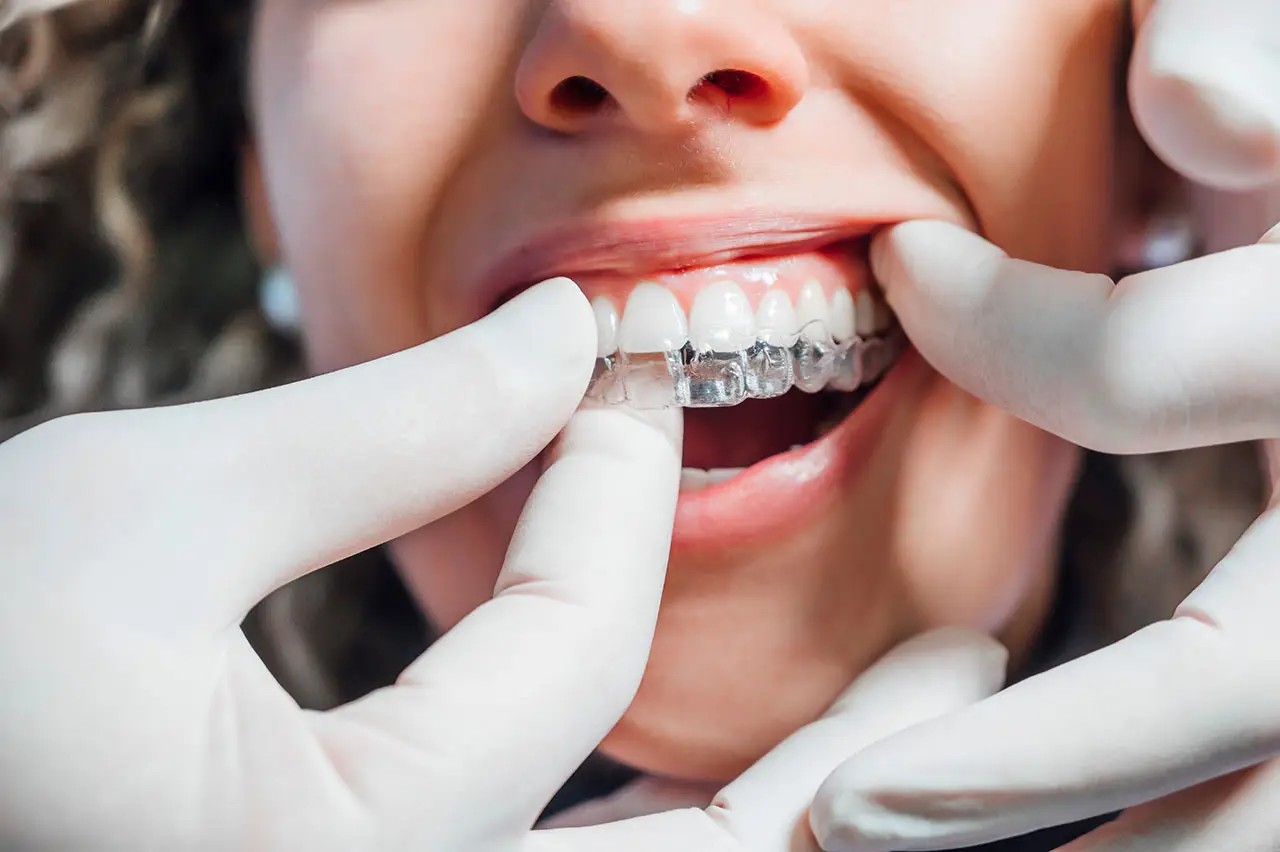
Clear aligner therapy uses a series of custom-made trays to gradually move teeth. Each aligner is designed to apply controlled pressure to specific teeth. After wearing one set for the recommended amount of time, you move to the next set, continuing the planned sequence.
Because the trays are transparent and fit closely over the teeth, they are much less noticeable than traditional braces. They can also be removed, which makes it easier to brush, floss, and enjoy meals without navigating brackets and wires.
What Can Clear Aligner Therapy Correct?
The appropriate uses of clear aligner therapy depend on the patient’s teeth and bite. Many cases involve:
- Mild to moderate crowding
- Spaces or gaps between teeth
- Teeth that have shifted after previous orthodontic treatment
- Certain overbite concerns
- Certain underbite concerns
- Some crossbite concerns
- Minor alignment issues that affect the appearance of the smile
More complex bite or jaw concerns may require another type of orthodontic treatment. A consultation is important because not every orthodontic problem should be treated with aligners alone.
How The Clear Aligner Therapy Process Works
Step One: Examination And Planning
Your dentist first evaluates your teeth, gums, bite, and overall oral health. Digital scans, photographs, and dental images may be used to create a detailed treatment plan.
This stage is important because healthy teeth and gums provide the foundation for orthodontic movement. Cavities or active gum disease may need to be addressed before clear aligner therapy begins.
Step Two: Digital Treatment Design
Digital technology allows your dentist to map planned tooth movements. The treatment sequence can show how individual teeth are expected to move throughout the process.
Planning is not just about making teeth appear straighter. Your dentist also considers how the upper and lower teeth meet and how the final alignment affects chewing and cleaning.
Step Three: Wearing Your Aligners
Most patients need to wear their aligners for roughly 20 to 22 hours each day. The trays are removed for eating, drinking anything other than water, and brushing and flossing.
Consistency matters. Wearing the trays less often than recommended can slow progress or cause teeth to move differently than planned.
Step Four: Changing Aligners
Each new tray makes a small adjustment. Your dentist will tell you when to move to the next aligner. Some patients change trays weekly, while others may follow a different schedule based on their treatment plan.
Step Five: Monitoring Progress
Periodic appointments allow your dentist to check progress and make sure teeth are tracking as expected. Some cases require additional refinement trays toward the end of treatment.
What Does Clear Aligner Therapy Feel Like?
It is normal to notice pressure when starting a new aligner. That pressure is part of how the trays guide tooth movement. Most patients describe the sensation as tightness rather than significant pain.
Your cheeks and lips may also need a short adjustment period. Because the trays have smooth surfaces, many patients find them easier on soft tissues than traditional brackets.
Eating And Drinking During Clear Aligner Therapy
One of the major advantages of clear aligner therapy is that you can remove the trays before eating. You do not have the same food restrictions associated with traditional braces.
After eating, brushing before replacing the trays is ideal. If brushing is not immediately possible, rinse your mouth and the aligners thoroughly with water.
Avoid drinking sugary or acidic beverages while wearing the trays. The aligner can hold liquid against your teeth, increasing the amount of time your enamel is exposed to those substances.
Keeping Your Teeth Clean During Treatment
Good oral hygiene is especially important during clear aligner therapy. Brush twice daily with fluoride toothpaste and clean between your teeth every day.
Clean the aligners according to your dentist’s instructions. Avoid hot water because excessive heat can distort the plastic and affect the fit.
Benefits of Clear Aligner Therapy
- Discreet appearance: Clear trays are designed to be much less noticeable than traditional braces.
- Removable convenience: You can remove the trays for meals and oral hygiene.
- Easier cleaning: Brushing and flossing can continue without brackets blocking access to the teeth.
- Comfortable design: Smooth plastic avoids many of the sharp edges associated with metal braces.
- Flexible lifestyle: The treatment can fit around work, school, travel, and social activities.
- Planned tooth movement: Digital treatment planning helps guide the sequence of changes.
- Improved alignment: Straighter teeth can be easier to keep clean and may improve certain bite concerns.
Clear Aligners And Your Daily Routine
Successful clear aligner therapy depends on creating habits. Keep your aligner case with you so you have a safe place to store the trays during meals. Do not place them in a napkin because they can easily be thrown away.
It is also helpful to keep a toothbrush and travel-sized toothpaste available. This makes it easier to clean your teeth before putting your aligners back in after lunch or snacks.
What Happens After Clear Aligner Therapy?
Finishing the final tray does not mean orthodontic care is completely finished. Teeth can shift after treatment if they are not retained.
Retainers are designed to hold teeth in their new positions. Your dentist will provide instructions for how often to wear them. Following those instructions is one of the most important parts of protecting your investment in clear aligner therapy.
Frequently Asked Questions About Clear Aligner Therapy
Can Adults Use Clear Aligners?
Yes. Adults are common candidates for clear aligner therapy, especially when they want a discreet option that fits a professional or active lifestyle.
How Long Does Clear Aligner Therapy Take?
Treatment time varies based on the amount and type of movement needed. Some mild cases can be completed in several months, while more involved cases take longer.
Can I Lose My Aligner?
It happens. If you lose an aligner, contact your dental office instead of guessing what to do next. Your dentist can tell you whether to use a previous tray, move ahead, or replace the missing aligner.
Will Clear Aligner Therapy Change My Speech?
A temporary lisp can occur while your tongue adjusts to the trays. Most people adapt quickly, particularly when they wear the aligners consistently.
A Straighter Smile Can Fit Into Real Life
Clear aligner therapy offers an approachable alternative for patients who want to improve tooth alignment without traditional brackets. The removable design makes daily hygiene and eating convenient, while custom planning allows treatment to be tailored to the individual.
The most important factor is choosing treatment based on your actual dental needs, not simply the appearance of your teeth. A professional evaluation can determine whether aligners are appropriate and what kind of result is realistic.
Ready to explore a more discreet approach to orthodontic care? Contact D1 Dentistry on Main at 215-855-9068 or visit 601 E Main St STE 2, Lansdale, PA 19446 to Schedule a Consultation and find out whether clear aligner therapy is right for your smile.