One missing tooth can create a surprisingly big change in everyday life. Food may collect in the empty space, chewing can feel uneven, and neighboring teeth may gradually shift toward the gap. Fortunately, replacing a missing tooth does not always mean choosing a removable appliance. Dental bridges offer a fixed tooth replacement option that can restore chewing function and help bring balance back to your smile.
At D1 Dentistry on Main, patients can explore tooth replacement through comprehensive restorative dentistry. A dental bridge can be especially useful when a missing tooth is located between healthy teeth that can provide support for the restoration.
Learning how dental bridges work, when they may be appropriate, and how to care for them can help you feel more prepared if you are considering replacing a missing tooth.
What Are Dental Bridges?
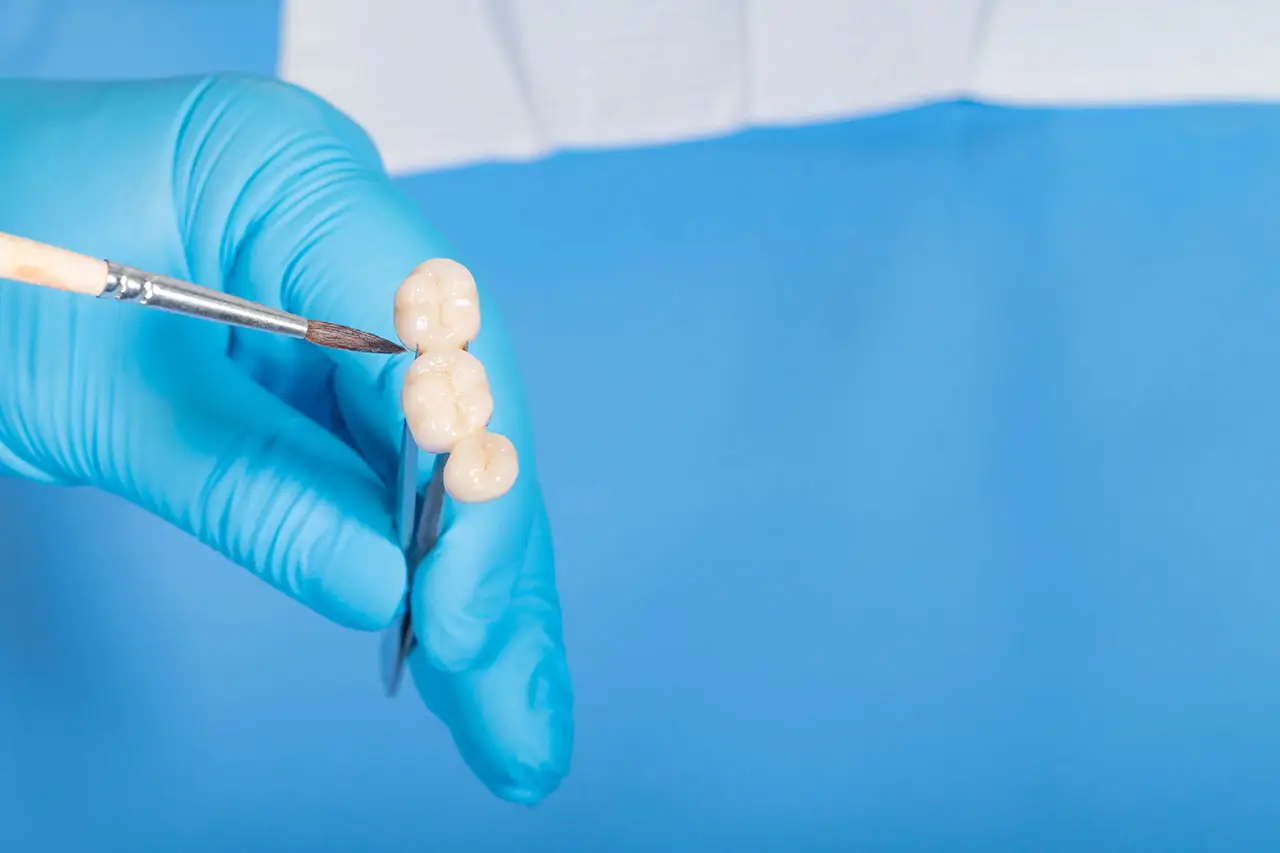
Dental bridges are fixed dental restorations designed to replace one or more missing teeth. A traditional bridge typically uses crowns placed on the teeth next to the gap. These supporting teeth are connected to an artificial tooth that fills the space.
Because the bridge is secured in place, you do not remove it when eating or sleeping. This makes a bridge different from a removable partial denture.
There are several types of bridges, and the best design depends on the location of the missing tooth, the condition of neighboring teeth, your bite, and your overall dental health.
Why Replace A Missing Tooth?
A missing tooth can affect more than appearance. Teeth work together as a system, and an open space can change how the surrounding teeth interact.
Neighboring teeth may begin to move toward the empty space. The opposing tooth may also shift because it no longer contacts another tooth during normal chewing. These changes can affect bite balance and make cleaning certain areas more difficult.
Replacing the missing tooth with dental bridges can help restore a more complete chewing surface and maintain a more balanced relationship between the surrounding teeth.
When Dental Bridges May Be A Good Option
A bridge may be considered when:
- One or more teeth are missing
- Healthy supporting teeth are available on either side of the space
- You want a fixed replacement rather than a removable appliance
- You are looking for an alternative to an implant in a particular situation
- The surrounding teeth would benefit from crowns for other restorative reasons
Not every missing tooth is best replaced with a bridge. Your dentist will examine the supporting teeth and gums before recommending this approach.
Types Of Dental Bridges
Traditional Bridges
Traditional dental bridges use crowns on the teeth next to the missing space. The crowns are connected to an artificial tooth, creating one fixed restoration.
This is one of the most common bridge designs and can provide reliable function when the supporting teeth are strong enough.
Cantilever Bridges
A cantilever bridge is supported from one side rather than both sides. This design is used selectively because the amount of pressure placed on the supporting tooth needs to be considered carefully.
Implant-Supported Bridges
Implant-supported bridges use dental implants instead of natural teeth as the supporting foundation. This can be useful when several adjacent teeth are missing.
The appropriate option depends on the number of missing teeth, available bone, gum health, and your overall treatment goals.
The Dental Bridge Process
Initial Evaluation
Your dentist begins by examining the missing space and the teeth around it. X-rays or other imaging may be used to evaluate the supporting teeth and surrounding structures.
Your bite is also important. A bridge needs to withstand normal chewing forces without placing excessive stress on the supporting teeth.
Preparing Supporting Teeth
For a traditional bridge, the supporting teeth are prepared so the crowns can fit securely. The amount of preparation depends on the condition and shape of those teeth.
Local anesthetic is used when appropriate to maintain comfort throughout the procedure.
Creating The Bridge
Digital scans or impressions are used to create a restoration that matches your mouth. The size, shape, and color of the replacement tooth are planned to blend with your smile.
Temporary Protection
Depending on the treatment process, a temporary restoration may be placed while the final bridge is being made. This helps protect the prepared teeth and maintains the appearance of your smile.
Final Placement
Once the bridge is ready, your dentist checks the fit, bite, shape, and appearance. After any necessary adjustments, the bridge is securely placed.
What Does A Dental Bridge Feel Like?
A new bridge can feel slightly different during the first few days because your tongue and cheeks are adjusting to the new contours. Most patients become comfortable with the restoration quickly.
The bridge should not feel loose during normal use. If you notice movement, pain when chewing, or a change in your bite that does not settle, contact your dentist.
Benefits of Dental Bridges
- Restores a missing tooth: A bridge fills an open space and helps create a more complete smile.
- Improves chewing: Replacing the missing tooth can make eating more comfortable.
- Provides a fixed option: Unlike a removable partial denture, a bridge stays in place.
- Supports bite balance: Filling the space can help maintain the relationship between surrounding teeth.
- Can improve speech: Replacing missing teeth may help with certain speech changes caused by tooth loss.
- Creates a natural appearance: Modern restorations can be shaped and colored to blend with neighboring teeth.
- Can provide an efficient treatment path: Bridges may replace a missing tooth without requiring implant surgery in appropriate cases.
How To Care For Dental Bridges
Daily cleaning is essential for the success of dental bridges. Brush twice a day and clean around the gumline carefully. You also need to clean underneath the artificial tooth because food and plaque can collect in this area.
Your dentist or hygienist can demonstrate the best way to clean underneath the bridge. Specialized floss threaders, interdental brushes, or water flossers may make this easier depending on the design of your restoration.
Regular professional cleanings are also important because the supporting teeth remain vulnerable to decay and gum disease.
Dental Bridges Versus Dental Implants
Both dental bridges and dental implants can replace missing teeth, but they work differently.
A bridge uses neighboring teeth or implants for support. A traditional bridge can often be completed without implant surgery, which may make the process appealing to certain patients.
A dental implant replaces the root portion of the missing tooth and supports a crown or other restoration. Because the implant is placed in the jawbone, it does not rely on neighboring natural teeth for support.
The right choice depends on your dental health, bone support, neighboring teeth, treatment preferences, timeline, and long-term goals.
What Happens If A Bridge Is Not Replaced?
Leaving a missing tooth unreplaced is not always an emergency, but it can allow changes to occur over time. Neighboring teeth may shift, the opposing tooth may move, and chewing forces may become less balanced.
There are also situations where replacement is especially important because the missing tooth affects appearance, speech, or the ability to chew comfortably.
A dental examination can help determine whether replacement is recommended and which option makes the most sense.
Frequently Asked Questions About Dental Bridges
Are Dental Bridges Permanent?
Dental bridges are fixed restorations, meaning they are not designed to be removed by the patient. However, they are not considered permanent in the sense that they will last forever. Proper care and regular dental visits help extend their lifespan.
Can I Eat Normally With A Dental Bridge?
Once you have adjusted to the restoration, you should be able to eat many normal foods. Very hard or sticky foods can place unnecessary stress on dental work and are best limited.
Can A Dental Bridge Look Natural?
Yes. The replacement tooth can be customized to match the size, shape, and shade of surrounding teeth.
How Long Does A Dental Bridge Last?
The lifespan varies based on oral hygiene, bite forces, the health of supporting teeth, and everyday habits. Regular dental visits are important for monitoring the bridge and the teeth underneath it.
Restoring The Space Left By A Missing Tooth
Dental bridges can provide a stable, fixed way to replace missing teeth and restore everyday function. They can improve chewing, help maintain a balanced bite, and create a more complete appearance without requiring a removable appliance.
The best tooth replacement option depends on your individual circumstances. A professional evaluation can help you compare a bridge with other choices and decide what makes sense for your oral health and lifestyle.
Ready to explore your options for replacing a missing tooth? Contact D1 Dentistry on Main at 215-855-9068 or visit 601 E Main St STE 2, Lansdale, PA 19446 to Book an Appointment and find out whether dental bridges are right for you.