Your teeth may get most of the attention when you think about your smile, but healthy gums are doing important work behind the scenes. They support the teeth, protect the tissues around them, and help create a stable foundation for everyday chewing. When gum inflammation becomes persistent, periodontal treatment can help control the problem before it leads to more serious damage.
D1 Dentistry on Main provides comprehensive care for patients who need help managing gum health. You can learn more about the practice’s approach to periodontal treatment while also understanding the signs that may indicate it is time to have your gums evaluated.
Periodontal problems can develop gradually, and they do not always cause obvious pain. That is why learning what healthy gums look and feel like can be one of the most useful steps you take for your long-term dental health.
What Is Periodontal Disease?
Periodontal disease is an infection and inflammation of the tissues that support the teeth. It often begins with plaque, a sticky film of bacteria that develops on teeth throughout the day.
When plaque is not removed effectively, it can harden into tartar. Tartar cannot be brushed away at home and can irritate the gumline. The early stage of gum disease is commonly called gingivitis.
When gum disease progresses, inflammation can move deeper around the teeth. The spaces between the gums and teeth can become deeper, making them harder to clean. Over time, the supporting tissues and bone can be damaged.
Periodontal treatment is designed to interrupt this process and help stabilize the gums and supporting structures.
Signs You May Need Periodontal Treatment
Gum disease does not always cause pain, so it is important to pay attention to other warning signs.
- Bleeding when brushing or flossing
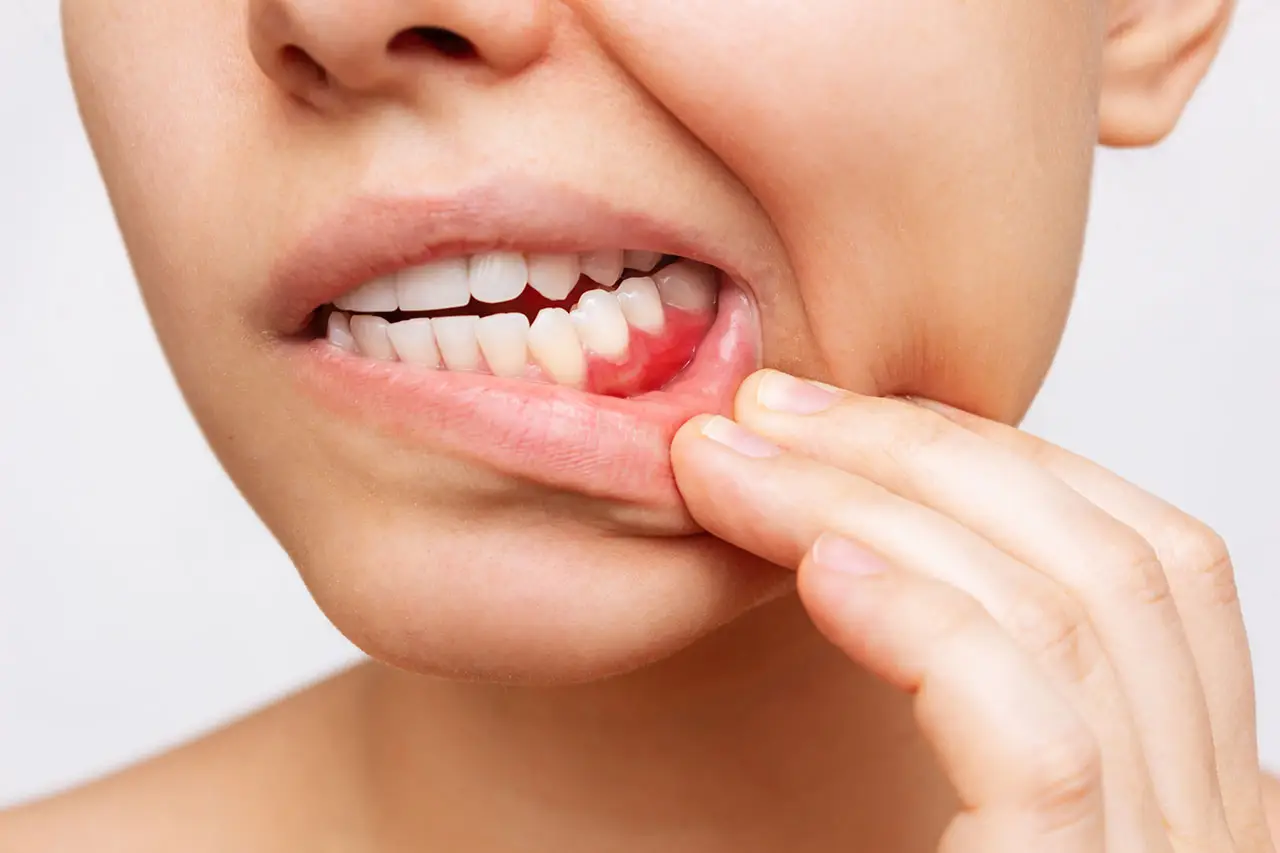
- Red, swollen, or tender gums
- Persistent bad breath
- A bad taste that keeps returning
- Gums that appear to be pulling away from the teeth
- Teeth that feel loose or different when biting
- New spaces developing between teeth
- Increased sensitivity near the gumline
One occasional spot of bleeding does not automatically mean advanced disease. However, repeated bleeding is a reason to schedule an evaluation rather than simply brushing harder.
Why Periodontal Treatment Matters
The purpose of periodontal treatment is to reduce harmful bacteria and inflammation while making the mouth easier to maintain at home.
For early gum inflammation, improving brushing, flossing, professional cleaning, and other preventive habits may be enough to restore healthier gums.
When disease has progressed below the gumline, a deeper professional cleaning may be recommended. This treatment removes plaque and tartar from areas that normal brushing cannot reach.
The exact plan depends on the condition of your gums. Good periodontal care is personalized rather than based on a single treatment for everyone.
What Happens During Periodontal Treatment?
Gum Evaluation
Your dentist or hygienist evaluates gum tissue and may measure the spaces around individual teeth. These measurements help identify areas where inflammation or deeper pockets may be present.
Your dental history, home-care habits, smoking history, medical conditions, and previous gum problems may also be considered when developing a plan.
Professional Cleaning
If plaque and tartar are present around the gumline, professional cleaning removes the buildup. For patients with deeper gum pockets, treatment may involve cleaning below the gumline.
Scaling And Root Planing
Scaling and root planing is a common form of non-surgical periodontal treatment. Scaling removes hardened deposits, while root planing smooths the tooth surfaces beneath the gumline.
The goal is to create a cleaner environment so the gums can heal and become easier to maintain.
Reevaluation
After active treatment, the gums are reevaluated. Your dentist can assess whether inflammation has improved and determine what ongoing care is appropriate.
Why Ongoing Periodontal Maintenance Matters
Gum disease can return if bacteria and tartar build up again. For patients with a history of periodontal disease, regular maintenance appointments may be recommended more frequently than routine cleanings.
These visits allow your dental team to remove buildup, monitor gum measurements, and identify changes early.
Think of maintenance as protecting the progress you have already made. A successful round of periodontal treatment is much more valuable when the gums remain stable afterward.
Home Care Between Periodontal Treatment Visits
Professional care works best when paired with consistent daily habits.
Brush twice a day with fluoride toothpaste and use a soft-bristled toothbrush. Angle the bristles toward the gumline and spend enough time cleaning every area.
Cleaning between your teeth is equally important. Floss, interdental brushes, or a water flosser can help reach spaces that toothbrush bristles cannot.
Your dentist or hygienist can recommend tools based on the size of the spaces between your teeth and your comfort with different techniques.
Risk Factors That Can Affect Gum Health
Some people are more likely to develop periodontal problems than others. Smoking is a major risk factor and can interfere with healing. Diabetes can also affect gum health, particularly when blood sugar is not well controlled.
Dry mouth, certain medications, genetics, age, stress, and inconsistent oral hygiene can also play a role.
Knowing your risk factors allows you and your dental team to create a more effective periodontal treatment and maintenance plan.
Benefits of Periodontal Treatment
- Healthier gums: Reducing plaque, tartar, and inflammation can improve gum condition.
- Less bleeding: Healthier gum tissue generally bleeds less during brushing and flossing.
- Fresher breath: Reducing bacterial buildup can improve persistent mouth odor.
- Better tooth support: Controlling periodontal disease helps protect the tissues surrounding teeth.
- Improved comfort: Inflamed and tender gums can become more comfortable after treatment.
- Better maintenance: Healthier gum tissue can make daily brushing and flossing more effective.
- Protection of dental work: Healthy gums are important around crowns, bridges, and dental implants.
Periodontal Treatment And Dental Implants
Healthy gums and supporting bone are especially important when dental implants are being considered. Active gum disease should generally be addressed before implant treatment because inflammation can compromise the tissues surrounding the implant.
Patients who already have implants should continue careful gum maintenance. The tissues around an implant can also become inflamed if plaque remains around the area.
Frequently Asked Questions About Periodontal Treatment
Can Gum Disease Be Reversed?
Early gum inflammation can often improve significantly with professional care and better home hygiene. More advanced periodontal disease can be controlled, although lost bone and tissue may not fully return without additional treatment.
Will Periodontal Treatment Hurt?
Modern periodontal care focuses heavily on patient comfort. Local anesthesia may be used for deeper treatment, and your dental team can adjust the pace and technique based on your needs.
How Often Will I Need Maintenance?
The schedule depends on your gum health and risk factors. Some patients do well with routine visits, while others benefit from periodontal maintenance every few months.
Can Bleeding Gums Become Healthy Again?
In many cases, yes. When bleeding is caused by plaque-related inflammation, consistent professional care and daily cleaning can significantly improve gum health.
Protecting The Foundation Of Your Smile
Periodontal treatment is about more than treating bleeding gums. It is about protecting the tissues that support your teeth and making it easier to maintain a healthy mouth for years to come.
The earlier gum problems are identified, the more options you may have for managing them. Even if you have been told you have gum disease before, improvement is possible with the right combination of professional treatment, home care, and ongoing maintenance.
Ready to give your gums the attention they deserve? Contact D1 Dentistry on Main at 215-855-9068 or visit 601 E Main St STE 2, Lansdale, PA 19446 to Schedule a Consultation and learn whether personalized periodontal treatment can help protect your smile.