
What happens when a small dental problem starts affecting the way you eat, speak, or go about your day? A chipped tooth, worn filling, missing tooth, or damaged crown may seem like separate issues, but each one can change how your bite works. Restorative dentistry focuses on repairing damaged teeth, replacing missing teeth, and bringing your mouth back to a healthy, comfortable level of function.
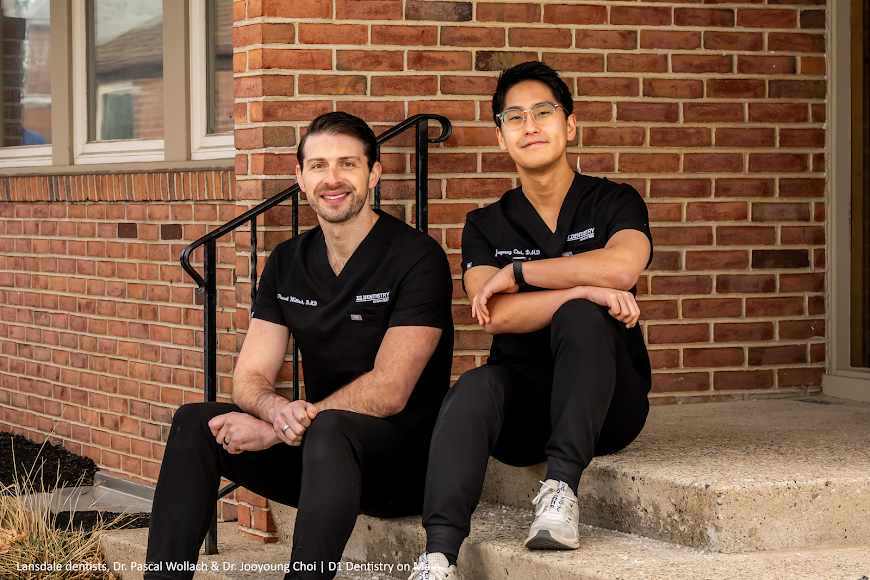
At D1 Dentistry on Main in Lansdale, restorative care can be part of a comprehensive dental plan designed around your individual needs. If you would like to learn more about the practice’s approach to restorative dentistry, understanding the options ahead of time can make your appointment feel much more straightforward.
Whether you need a simple filling or a more involved tooth replacement, modern restorative dentistry is designed to preserve as much healthy tooth structure as possible while restoring strength, appearance, and everyday function.
What Is Restorative Dentistry?
Restorative dentistry is the area of dental care focused on repairing or replacing teeth that have been damaged, weakened, worn, or lost. The goal is not simply to make a tooth look better. A successful restoration should also help the tooth function properly and support the surrounding teeth and gums.
Depending on the condition of your smile, restorative dentistry may include:
- Tooth-colored dental fillings
- Dental crowns
- Dental bridges
- Dental implants
- Partial or complete dentures
- Repair or replacement of older dental restorations
- Root canal treatment followed by a protective restoration
Because every mouth is different, there is no single restorative treatment that works for everyone. Your dentist considers the amount of healthy tooth structure remaining, the condition of your gums, your bite, your overall oral health, and your goals before recommending a treatment.
Why Restorative Dentistry Is About More Than A Pretty Smile
It is easy to think of dental restorations as cosmetic improvements, but function is just as important. A damaged tooth can become sensitive or painful. A missing tooth can make chewing more difficult. A large cavity can weaken the remaining tooth and increase the risk of fracture.
Restorative dentistry addresses these problems before they have a chance to become larger concerns. A filling can stop a cavity from spreading. A crown can protect a weakened tooth from further damage. A bridge or implant can fill a space created by tooth loss and help restore a balanced bite.
In addition, restoring a damaged tooth can make daily oral hygiene easier. Smooth, properly shaped restorations are easier to brush and floss around than rough, broken, or irregular surfaces.
Common Restorative Dentistry Treatments
Dental Fillings
Fillings are among the most common forms of restorative dentistry. When decay creates a cavity, the damaged portion is removed and replaced with a restorative material. Tooth-colored composite fillings can blend with surrounding enamel while restoring the tooth’s shape and function.
Early treatment is important because a small cavity usually requires a smaller restoration. If decay reaches deeper into the tooth, more extensive treatment may be necessary.
Dental Crowns
A crown covers a damaged tooth to provide additional strength and protection. Crowns are often recommended when a tooth has a large filling, significant decay, a major crack, or has received root canal treatment.
Modern crowns can be made from strong ceramic materials that closely mimic the appearance of natural enamel. Your dentist considers both strength and appearance when selecting the appropriate material.
Dental Bridges
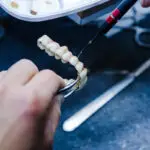
A dental bridge replaces one or more missing teeth by connecting an artificial tooth to neighboring teeth or dental implants. Bridges remain fixed in place, allowing you to chew and speak without removing an appliance.
For patients who want a fixed tooth replacement without implant surgery, a bridge may be a useful option. The best choice depends on the health of the surrounding teeth and the location of the missing tooth.
Dental Implants
Dental implants replace both the visible tooth and the root-like foundation beneath it. An implant is placed into the jawbone and eventually supports a crown, bridge, or denture.
Because implants are anchored in the jaw, they can provide a secure feel while helping support the bone around the missing tooth. They are one of the most comprehensive options available in modern restorative dentistry.
When Should You Consider Restorative Dentistry?
You may benefit from restorative dentistry if you notice a change in how a tooth looks, feels, or functions. Some signs include:
- Tooth pain or lingering sensitivity
- A chipped or fractured tooth
- A filling that feels loose or rough
- A crown that has become damaged
- Difficulty chewing on one side
- A missing tooth
- Food repeatedly becoming trapped around a damaged tooth
- Teeth that have become noticeably worn
Not every dental problem causes pain. In fact, some cavities and cracks remain quiet until they become advanced. Regular examinations give your dentist an opportunity to identify changes before they become emergencies.
How A Restorative Dentistry Plan Is Created
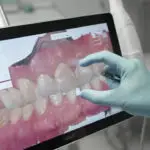
The first step is an examination. Your dentist evaluates the teeth, gums, bite, and surrounding structures. X-rays or other diagnostic images may be recommended when they can provide useful information that cannot be seen during a visual examination.
Next, your dentist explains what was found and discusses the available options. If more than one treatment could work, you can compare factors such as durability, appearance, treatment time, maintenance, and cost.
The goal is shared decision-making. You should understand why a treatment is recommended and what you can expect before moving forward.
Benefits of Restorative Dentistry
- Restores comfortable chewing: Damaged and missing teeth can make meals difficult. Restorations help rebuild normal function.
- Protects natural teeth: Timely treatment can help prevent small problems from progressing.
- Improves bite balance: Replacing missing or damaged teeth can distribute chewing forces more evenly.
- Supports oral health: Smooth restorations are easier to keep clean.
- Improves appearance: Modern materials can closely match natural teeth.
- Reduces future complications: Treating a damaged tooth early may help avoid more extensive procedures later.
- Supports long-term confidence: A stable, comfortable smile makes everyday activities easier.
What You Can Do To Protect Dental Restorations
Restorations are designed to last, but they still need proper care. Brush twice a day with fluoride toothpaste and clean between your teeth daily. Continue regular dental examinations and professional cleanings so your dentist can monitor both the restoration and the natural tooth around it.
It is also wise to avoid chewing ice, pens, fingernails, or other hard objects. These habits can damage natural teeth as well as fillings, crowns, bridges, and implant restorations.
If you grind or clench your teeth, ask whether a protective nightguard may be appropriate. Repeated heavy forces can shorten the lifespan of dental restorations.
Frequently Asked Questions About Restorative Dentistry
Is Restorative Dentistry Painful?
Most restorative procedures are performed with local anesthesia to keep the treatment comfortable. Mild sensitivity or tenderness can occur afterward, depending on the procedure and condition of the tooth.
Can Restorative Dentistry Make My Teeth Look Natural?
Yes. Many modern restorative materials are designed to mimic natural enamel. Tooth color, shape, size, and bite are all considered when planning the restoration.
How Long Do Dental Restorations Last?
The lifespan varies depending on the treatment, the size of the restoration, bite forces, oral hygiene, diet, and overall health. Regular checkups allow your dentist to monitor restorations and identify wear or problems early.
Can Restorative Dentistry Replace Several Missing Teeth?
Yes. Depending on your needs, restorative dentistry can include bridges, partial dentures, implant-supported restorations, or other tooth replacement options.
Restoring Function, Comfort, And Confidence
Restorative dentistry gives damaged and missing teeth a practical path forward. Instead of simply accepting a tooth that hurts, feels weak, or no longer functions properly, patients can explore treatments designed to rebuild strength and restore everyday comfort.
The right solution depends on your specific dental health, but the goal remains consistent: preserve healthy tooth structure when possible, replace what cannot be saved, and create a stable foundation for long-term oral health.
Ready to restore your smile with a personalized dental plan? Contact D1 Dentistry on Main at 215-855-9068 or visit 601 E Main St STE 2, Lansdale, PA 19446 to Book an Appointment and learn how restorative dentistry can help you.